


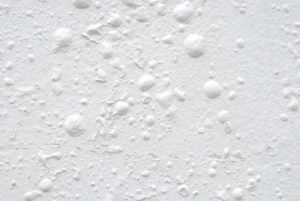
Avoid interior painting mistakes, like bubbles, by following these tips.
Interior painting is one of the most effective ways to refresh your home—but it’s also an area where small missteps can lead to big frustrations. From uneven finishes to peeling paint, many common interior painting mistakes can affect both the look and longevity of your project.
The good news? Most of these issues are completely avoidable with the right preparation and techniques. Below are the most common interior painting mistakes homeowners make—and exactly how to avoid them with the help of Columbia Paint Company.
Skipping Proper Wall Preparation
One of the biggest interior painting mistakes is rushing straight to painting without prepping the walls. Dirt, grease, nail holes, and old flaking paint can all prevent new paint from adhering properly.
How to avoid it:
- Clean walls thoroughly to remove dust and grime
- Patch holes and cracks with spackling compound
- Sand rough areas for a smooth surface
- Wipe down walls after sanding to remove residue
Proper prep ensures your paint goes on evenly and lasts longer.
Using the Wrong Type of Paint
Not all paint is created equal, and choosing the wrong finish or formula can lead to poor results. Flat paint in high-traffic areas or moisture-prone rooms is a recipe for disappointment.
How to avoid it:
- Use satin or semi-gloss in kitchens and bathrooms
- Choose durable, washable finishes for hallways and kids’ rooms
- Select paint designed specifically for interior use
Matching the paint type to the room’s function helps prevent premature wear and staining.
Forgetting to Prime (or Priming Incorrectly)
Skipping primer is a classic interior painting mistake that can lead to uneven color, visible stains, or peeling paint. Primer plays a crucial role in sealing surfaces and improving adhesion.
How to avoid it:
- Prime new drywall, patched areas, or stained surfaces
- Use stain-blocking primer for water marks or smoke damage
- Allow primer to dry fully before painting
Taking the extra step to prime creates a more professional and long-lasting finish.
Applying Paint Too Thickly
Loading too much paint onto your brush or roller might seem like a time-saver, but it often causes drips, streaks, and uneven drying.
How to avoid it:
- Apply paint in thin, even coats
- Roll off excess paint before touching the wall
- Allow proper drying time between coats
Multiple thin coats provide better coverage and a smoother appearance than one heavy coat.
Painting in Poor Conditions
Temperature, humidity, and ventilation all affect how paint dries and cures. Painting in overly humid or cold conditions can cause bubbling, cracking, or slow drying.
How to avoid it:
- Paint when indoor temperatures are between 50–85°F
- Avoid painting on very humid days
- Ensure good airflow with fans or open windows
The right environment helps paint cure properly and reduces future problems.
Not Using the Right Tools
Using low-quality brushes and rollers is another common interior painting mistake that can leave visible streaks, lint, or uneven coverage.
How to avoid it:
- Invest in high-quality brushes and rollers
- Match roller nap length to wall texture
- Use angled brushes for clean edges and trim
The right tools make painting easier and dramatically improve the final result.
Rushing the Drying Process
Many homeowners rush to apply a second coat or remove painter’s tape too soon, which can ruin an otherwise great paint job.
How to avoid it:
- Follow the manufacturer’s recommended drying times
- Allow paint to cure fully before cleaning or decorating
- Remove tape slowly at a 45-degree angle once paint is dry
Patience is key to avoiding smudges, peeling edges, and uneven finishes.
Ignoring Color Testing
Choosing a color based on a small swatch or online image can lead to unexpected results once it’s on your walls.
How to avoid it:
- Test paint samples directly on your walls
- Observe colors in different lighting throughout the day
- Test next to furniture and flooring for accuracy
Lighting can dramatically change how a color looks, so testing helps avoid costly repainting.
Overlooking Ceilings and Trim
Focusing only on walls and ignoring ceilings or trim can make a room feel unfinished. Mismatched or worn trim can detract from an otherwise fresh space.
How to avoid it:
- Repaint trim and ceilings when needed
- Use appropriate finishes for durability and clean lines
- Prep trim just as carefully as walls
Crisp trim and clean ceilings elevate the entire room.
When you are ready to plan your next interior painting project, the experts at Columbia Paint Company are here to provide guidance and help you select the primer and paint you need for a fantastic finish.
NEW LOCATIONS! VISIT THE US AND EXPLORE!
We’ve moved from the Dobbin Road location to our new, roomy location just down the road:
Columbia Paint and Decorating, a Benjamin Moore Dealer
6822 Oak Hall Lane, Suite C2, Columbia, MD 21045
443-319-4001
Expect the same one-stop shopping for all your decorating needs. We are a full-service Benjamin Moore dealer offering the best quality decorating products at the best prices. We have an ample supply of paint and paint supplies, wallcoverings, custom window treatments, fabrics, and now NEW flooring selections from Kaleen Rugs and Luxury Vinyl Tile samples.
And, of course, the same excellent customer service, knowledge, and customer satisfaction that you’ve come to expect.
ANNOUNCING OUR SECOND LOCATION:
Clarksville Paint & Decorating, a Benjamin Moore Dealer
12447 Clarksville Pike, Suite 1A, Clarksville, MD